
Big Ron's Era
Day 41: A Flashy Chapter in United's Quest for Consistency

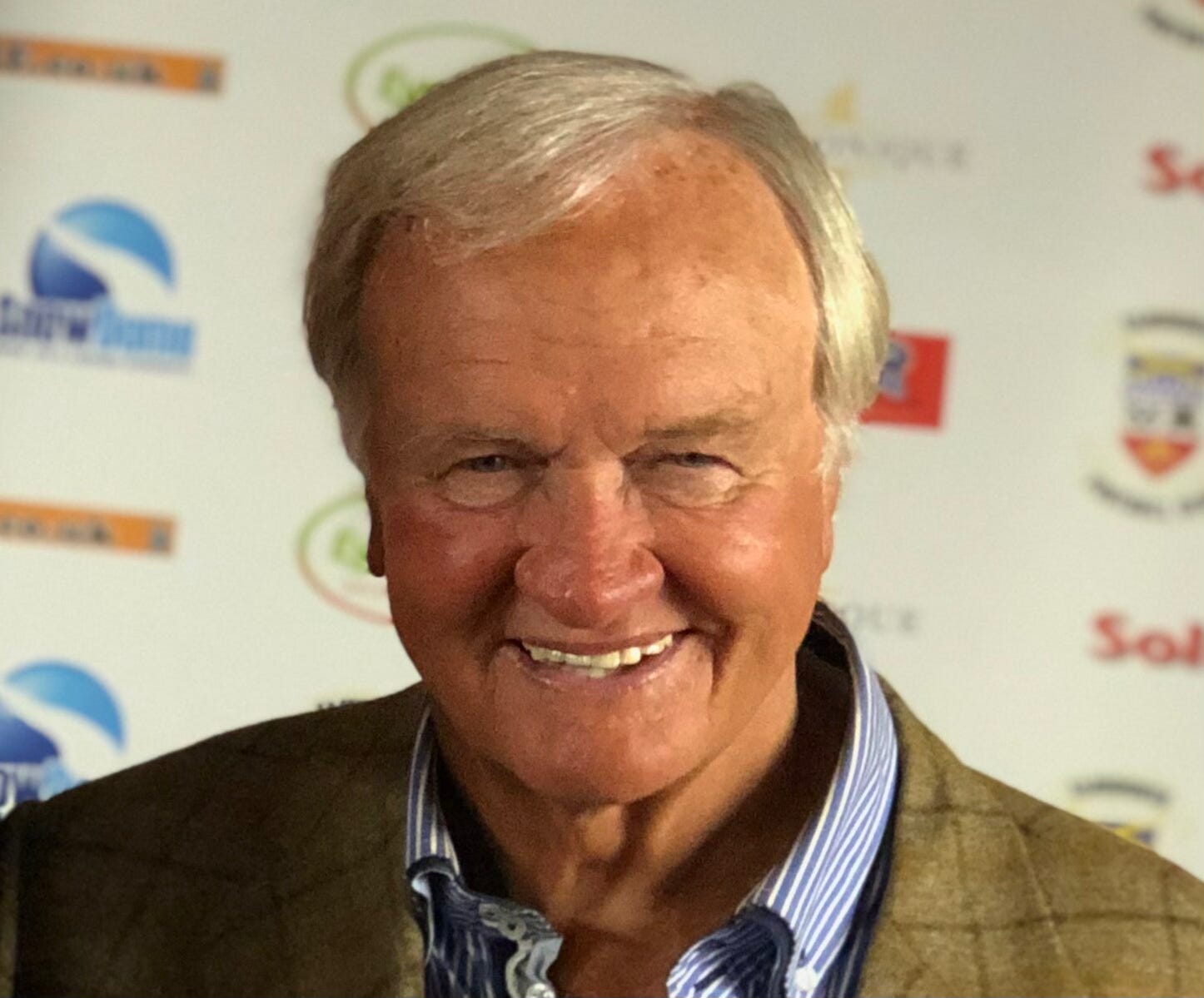
The arrival of Ron Atkinson at Old Trafford in June 1981 marked not merely a change in management but a violent pendulum swing in United's identity. After four barren years under Dave Sexton's methodical but uninspiring regime, the club craved both success and spectacle. They found both, temporarily, in the flamboyant figure of "Big Ron."
Atkinson strode into Manchester adorned with jewelry, sporting a permanent tan, and carrying a reputation built at West Bromwich Albion for attacking football that dazzled the eye. His first significant act revealed everything about his philosophy: the British record £1.5 million signing of Bryan Robson. This was not just a transfer but a statement written in bold, expensive ink.
The early returns validated the approach. United claimed the FA Cup in 1983, defeating Brighton in a replay after a thrilling 2-2 draw. They repeated the feat in 1985, overcoming a dominant Everton side through Norman Whiteside's curling extra-time winner. Old Trafford roared again; silverware returned.
Yet beneath the surface glamour, fundamental weaknesses festered. Atkinson's United played football that thrilled but lacked the grinding consistency required for league campaigns. They finished third, third, fourth and fourth in his first four seasons. Brilliant in bursts, brittle over marathons.
The team reflected their manager: capable of breathtaking brilliance one moment, puzzling complacency the next. Players like Robson, Whiteside, Frank Stapleton and Gordon Strachan delivered memorable performances but never forged the relentless machine needed for sustained success.
By November 1986, the Atkinson experiment had run its course. After a disastrous start to the 1986-87 season, the board acted. The man who brought back excitement but not the championship was dismissed.
The Atkinson years represent a critical evolutionary phase in United's DNA. They reconnected the club with its attacking traditions after the Sexton years but revealed that flair alone could not restore United to the pinnacle of English football. For all the cup successes and memorable European nights, they ultimately demonstrated that United required something beyond mere entertainment. They needed the ruthless winning machine that only Alex Ferguson would eventually build.
⚽️ Daily DNA Insight ⚽️
After years of methodical but uninspiring football, Ron Atkinson’s arrival brought an air of infectious excitement to Old Trafford. His flashy demeanor and attacking philosophy made him instantly popular with the fans. Team captain Bryan Robson would later reflect on the impact of his new manager:
"He just had this incredible enthusiasm. It was just a breath of fresh air. He just got the club buzzing again."
💡 The DNA Life Lesson 💡
The era of "Big Ron" offers a profound lesson on the difference between art and engineering. You can win battles with bursts of breathtaking brilliance, but to win the war, you require the grinding consistency of a relentless machine. This period shows us that while winning with swagger can be exhilarating, true and lasting glory is built on a foundation of ruthless discipline and the quiet, unglamorous pursuit of excellence, day after day.
Glory Glory Man Utd!
Kesigan at The United DNA